Buy celebrity24.eu ?
We are moving the project
celebrity24.eu .
Are you interested in purchasing the domain
celebrity24.eu ?
domain@kv-gmbh.de · 0541-91531010
Buy celebrity24.eu ?
Are alleles dominant or recessive?
Alleles can be either dominant or recessive. Dominant alleles are expressed when present in an individual, masking the expression of the recessive allele. Recessive alleles are only expressed when an individual has two copies of the recessive allele. The interaction between dominant and recessive alleles determines the phenotype of an organism. **
What is the difference between genes and alleles?
Genes are segments of DNA that contain the instructions for making specific proteins, while alleles are different versions of the same gene. Alleles can result in different traits or characteristics, such as eye color or blood type. For example, the gene for eye color may have alleles for blue, brown, or green eyes. Genes are the overall instructions for a specific trait, while alleles are the specific variations of those instructions. **

Similar search terms for Alleles
Top-Angebote
Products related to Alleles:


-
Is this statement about genetics, alleles, and chromosomes correct?
Without knowing the specific statement, it is difficult to determine if it is correct. However, genetics is the study of heredity and variation in living organisms, alleles are different forms of a gene, and chromosomes are structures that contain genetic information. These three components are interconnected in the process of inheritance and play a crucial role in determining an organism's traits. **
-
Can an inheritance simultaneously have dominant, recessive, and intermediate alleles?
No, an inheritance cannot simultaneously have dominant, recessive, and intermediate alleles. Inheritance follows Mendelian genetics, where an individual inherits one allele from each parent for a specific trait. Dominant alleles will always mask recessive alleles, and intermediate alleles will express a trait that is a blend of the two alleles. Therefore, an inheritance cannot have all three types of alleles for the same trait simultaneously. **
-
Does this statement about genetics, alleles, and chromosomes hold true?
Without the specific statement provided, it is difficult to determine if it holds true. However, in general, genetics refers to the study of genes and heredity, alleles are different forms of a gene, and chromosomes are structures that contain genetic material. These concepts are fundamental to understanding inheritance and the transmission of genetic traits from one generation to the next. If the statement aligns with these basic principles, then it likely holds true. **
-
Can an inheritance simultaneously have dominant, recessive, and intermediate behaving alleles?
Yes, an inheritance can simultaneously have dominant, recessive, and intermediate behaving alleles. This can occur when an individual inherits different alleles for a particular trait from each parent. In this case, the dominant allele will typically mask the effects of the recessive allele, while the intermediate allele will have a partial effect on the phenotype. The resulting phenotype will be a combination of the effects of all three alleles. **


How many alleles do you have per chromosome for a specific trait?
You have two alleles per chromosome for a specific trait. One allele is inherited from your mother and the other from your father. These two alleles may be the same (homozygous) or different (heterozygous), and they determine your genetic makeup for that particular trait. This combination of alleles contributes to the variation in traits among individuals. **
Why do alleles occur in pairs in plant cells and only singly in germ cells?
Alleles occur in pairs in plant cells because plants are diploid organisms, meaning they have two sets of chromosomes. Each parent contributes one set of chromosomes, and therefore each gene has two alleles, one from each parent. On the other hand, alleles occur singly in germ cells because germ cells are haploid, containing only one set of chromosomes. During sexual reproduction, germ cells combine to form a diploid zygote with pairs of alleles. **
Top-Angebote
Products related to Alleles:
-
Scholastic Charismatic Characters Value PackExtend the adventure! Introduce early readers to character content beyond the screen.This set includes:Alma's Way: Alma Speaks Up / Alma hablaEva the Owlet: The Story of Eva & FriendsGabby's Dollhouse: Meet the KittycornPeppa Pig: We Love Our...26,99 $*Shipping: 0,00 $Secure redirect to the provider
-
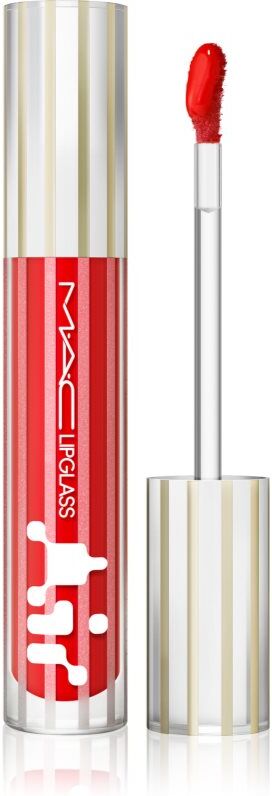
MAC Cosmetics Lipglass Air hydrating lip gloss shade Talented 5 mlMAC Cosmetics Lipglass Air, 5 ml, Lip Glosses for Women, Lips as smooth as glass and as reflective as a mirror? The MAC Cosmetics Lipglass Air lip gloss can turn this dream into reality. It envelops the lips in a high-gloss formula, smoothing and evening out their surface to mask any lines or wrinkles while giving your lips long-lasting comfort. It promotes their soft appearance, preventing visible dryness that can interfere with your perfect makeup look. In no time at all, it helps you achieve beautifully glossy, luscious lips, making them the centre of attention and irresistibly kissable. Ingredients: coconut oil – contains a large amount of antioxidants, helps prevent wrinkles and premature skin aging, intensively nourishes, softens and promotes hydration, regeneration and soothing of skin jojoba oil – keeps skin intensely hydrated, provides antioxidant protection, counteracts irritation and dryness, helps regulate sebum production and promotes regeneration How to use: Apply an even layer to the lips with an applicator. Allow to dry.19,55 £*Shipping: 3,99 £Secure redirect to the provider
-
Are alleles dominant or recessive?
Alleles can be either dominant or recessive. Dominant alleles are expressed when present in an individual, masking the expression of the recessive allele. Recessive alleles are only expressed when an individual has two copies of the recessive allele. The interaction between dominant and recessive alleles determines the phenotype of an organism. **
-
What is the difference between genes and alleles?
Genes are segments of DNA that contain the instructions for making specific proteins, while alleles are different versions of the same gene. Alleles can result in different traits or characteristics, such as eye color or blood type. For example, the gene for eye color may have alleles for blue, brown, or green eyes. Genes are the overall instructions for a specific trait, while alleles are the specific variations of those instructions. **
-
Is this statement about genetics, alleles, and chromosomes correct?
Without knowing the specific statement, it is difficult to determine if it is correct. However, genetics is the study of heredity and variation in living organisms, alleles are different forms of a gene, and chromosomes are structures that contain genetic information. These three components are interconnected in the process of inheritance and play a crucial role in determining an organism's traits. **
-
Can an inheritance simultaneously have dominant, recessive, and intermediate alleles?
No, an inheritance cannot simultaneously have dominant, recessive, and intermediate alleles. Inheritance follows Mendelian genetics, where an individual inherits one allele from each parent for a specific trait. Dominant alleles will always mask recessive alleles, and intermediate alleles will express a trait that is a blend of the two alleles. Therefore, an inheritance cannot have all three types of alleles for the same trait simultaneously. **
Similar search terms for Alleles
-
Does this statement about genetics, alleles, and chromosomes hold true?
Without the specific statement provided, it is difficult to determine if it holds true. However, in general, genetics refers to the study of genes and heredity, alleles are different forms of a gene, and chromosomes are structures that contain genetic material. These concepts are fundamental to understanding inheritance and the transmission of genetic traits from one generation to the next. If the statement aligns with these basic principles, then it likely holds true. **
-
Can an inheritance simultaneously have dominant, recessive, and intermediate behaving alleles?
Yes, an inheritance can simultaneously have dominant, recessive, and intermediate behaving alleles. This can occur when an individual inherits different alleles for a particular trait from each parent. In this case, the dominant allele will typically mask the effects of the recessive allele, while the intermediate allele will have a partial effect on the phenotype. The resulting phenotype will be a combination of the effects of all three alleles. **
-
How many alleles do you have per chromosome for a specific trait?
You have two alleles per chromosome for a specific trait. One allele is inherited from your mother and the other from your father. These two alleles may be the same (homozygous) or different (heterozygous), and they determine your genetic makeup for that particular trait. This combination of alleles contributes to the variation in traits among individuals. **
-
Why do alleles occur in pairs in plant cells and only singly in germ cells?
Alleles occur in pairs in plant cells because plants are diploid organisms, meaning they have two sets of chromosomes. Each parent contributes one set of chromosomes, and therefore each gene has two alleles, one from each parent. On the other hand, alleles occur singly in germ cells because germ cells are haploid, containing only one set of chromosomes. During sexual reproduction, germ cells combine to form a diploid zygote with pairs of alleles. **
* All prices are inclusive of VAT and, if applicable, plus shipping costs. The offer information is based on the details provided by the respective shop and is updated through automated processes. Real-time updates do not occur, so deviations can occur in individual cases. ** Note: Parts of this content were created by AI.